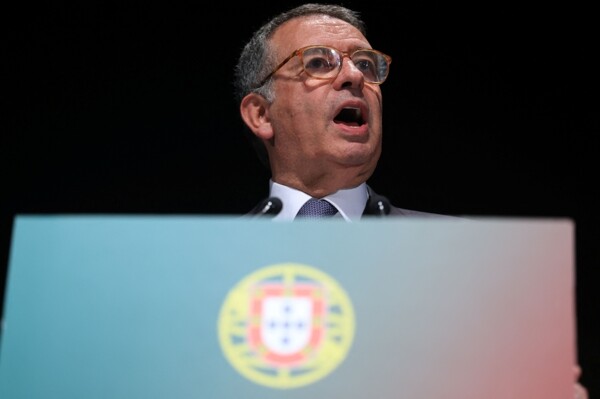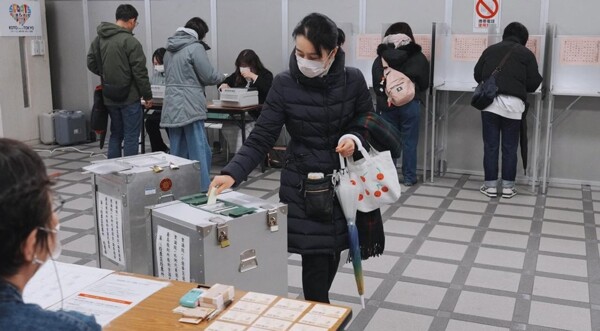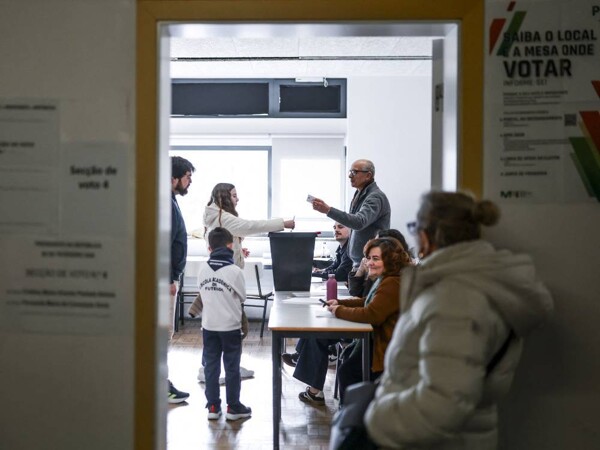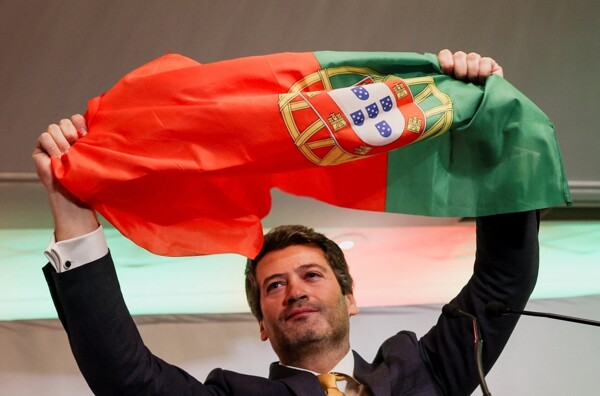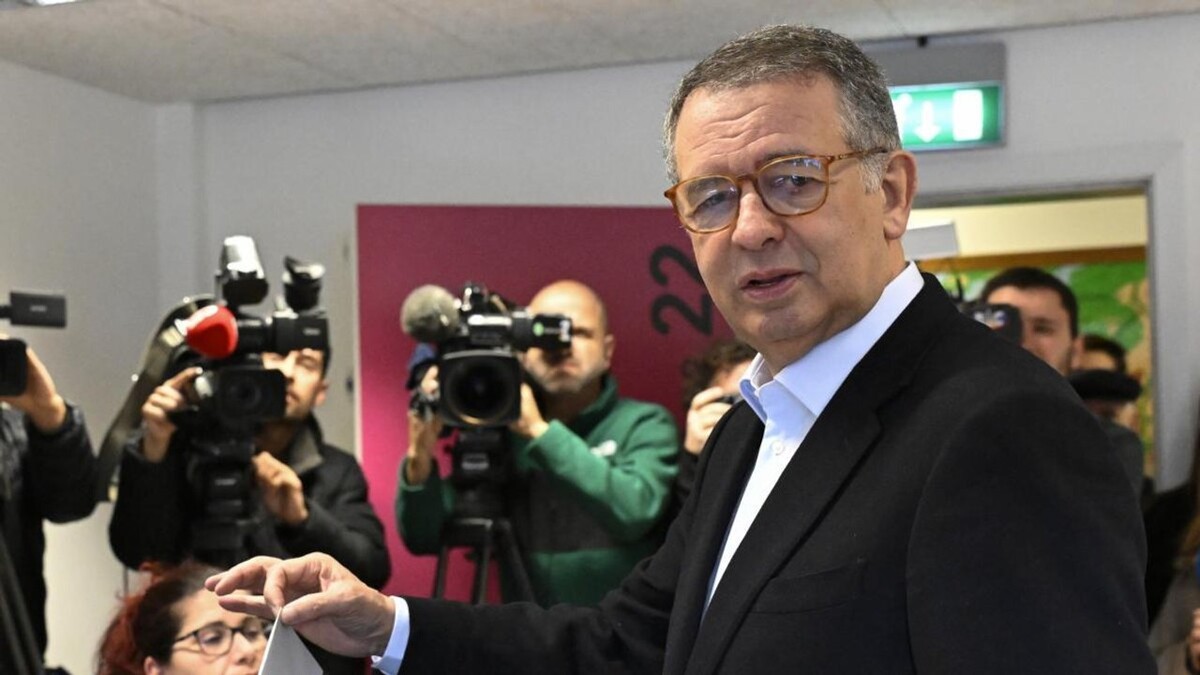
In Portugal, former Socialist Minister António José Seguro has become the elected president after winning the runoff election on Sunday with 66.31% of the vote. His rival, far-right leader André Ventura, secured 33.69% of the vote. This result became final as 96.38% of the ballots were counted. Seguro's victory, as a considered moderate leader, means the left will once again lead the Belém Palace, the seat of the Portuguese presidency, twenty years after Jorge Sampaio left power in 2006. Ventura, in a press statement, acknowledged that the goal of winning these elections was not achieved. He also stated he will be a more 'interventionist' president, advocating for greater powers for the head of state. Despite intense storms that have caused seven deaths since January 28, Portuguese citizens went to the polls. Seguro praised the Portuguese people as 'the best in the world' with 'enormous civic responsibility' and 'attachment to democratic values'. Over 11 million Portuguese were eligible to vote in the presidential election on February 8. Seguro won the first round with 31.1% of the vote, while his far-right rival Ventura came in second with 23.5%. The disenchantment with traditional parties and the rise of the far-right have shaped an unprecedented electoral landscape in Portugal. Although the Portuguese President plays a leading role similar to the Prime Minister, their powers include dissolving parliament and calling early elections. Ventura admitted he had not achieved his goal of winning the elections and said he would congratulate Seguro as the final results are confirmed. Seguro, before knowing of his victory, praised the Portuguese people.